Year Cutie: A Designer’s Take on 2022 Embroidery
As someone who has spent countless hours hooping fabric, testing stabilizers, and tweaking tension settings, I have learned that not all digital files are created equal. When a new design lands on my desk, I do not just look at the preview image. I look for potential pitfalls in stitch density, clarity in small details, and versatility across different garments. Recently, I evaluated Year Cutie, a New Year 2022 SVG file, to determine if it holds up under the needle for real-world commercial and personal projects. This review is written from the perspective of a designer who needs to know how a graphic translates into thread before promising it to a client or listing it in an online shop.
First Impressions and Visual Personality
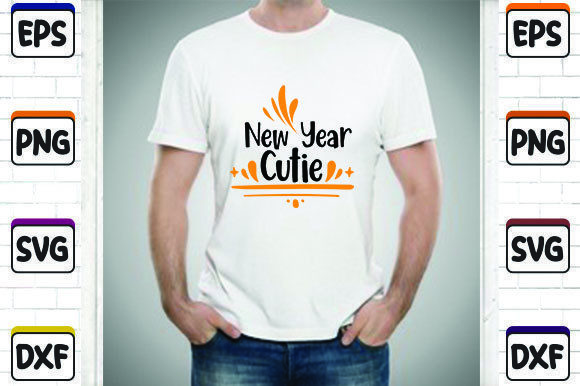
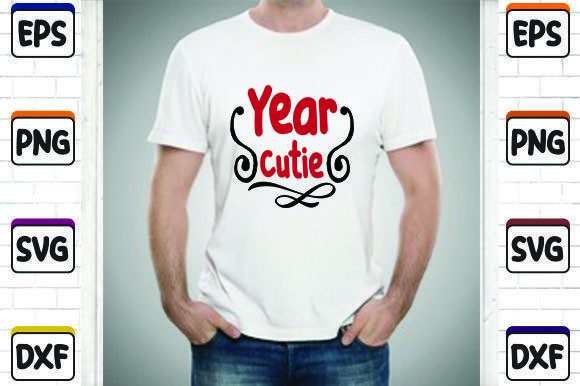
The first thing that strikes you about Year Cutie is its playful, approachable mood. The typography suggests a lighthearted celebration, perfect for ringing in the new year without the formality of traditional holiday decor. For embroidery designers, the layout is crucial. This design appears to rely on clean lines and balanced spacing, which is essential for legibility once stitched. When we talk about T-Shirt Designs and Graphics, we often forget that what looks crisp on a screen can become a blob of thread on fabric if the details are too tight. However, the simplicity here works in its favor. It avoids overly intricate serifs or tiny connecting lines that frequently break or bunch up during high-speed machine embroidery.
The visual personality of this piece fits squarely into the "cute" aesthetic that dominates the handmade market. It is not trying to be elegant or minimalist in a stark way; instead, it offers warmth. This makes it an ideal candidate for items meant to evoke joy and comfort. Whether you are creating a personalized gift for a friend or stocking your Etsy seller store with seasonal items, the tone of the design does the heavy lifting for you. It says "celebration" without shouting, which is a difficult balance to achieve in holiday embroidery.
Real-World Application: From Screen to Stitch
To truly understand the value of Year Cutie, I imagined a specific scenario: preparing a custom order for a boutique client who wanted matching family sweatshirts for New Year’s Eve. In this context, the design needed to be scalable and readable from a distance. I considered how the embroidery file would perform on a medium-weight cotton blend fleece. The open nature of the lettering suggests that it would handle well on textured fabrics, provided the correct stabilizer is used. For a project like this, a cut-away stabilizer would likely be necessary to prevent the fabric from puckering under the weight of the stitches, especially if the design uses any fill stitch areas for emphasis.
Beyond sweatshirts, this design has strong potential for tote bag design applications. Canvas bags are popular among craft business owners because they are durable and provide a flat, stable surface for stitching. Year Cutie would look charming centered on a canvas tote, perhaps paired with a simple graphic element if the user chooses to expand the design in their software. It also translates well to baby embroidery projects. Imagine this stitched onto a soft onesie or a burp cloth. The playful font aligns perfectly with nursery aesthetics, making it a strong contender for holiday embroidery gifts for new parents welcoming their first New Year with their little one.
For those running a small shop product line, versatility is key. This graphic could easily be adapted for embroidered patch creation. By adding a satin stitch border around the text, you can create a standalone patch that customers can iron or sew onto jackets, hats, or backpacks. This adds perceived value to the finished product and allows for higher pricing tiers in your commercial embroidery catalog.
Technical Considerations and Fabric Choices
While Year Cutie is versatile, there are areas where caution is required. As an experienced reviewer, I always advise testing the design on scrap fabric before committing to a final garment. One critical factor is stitch density. If the original file converts certain elements into dense blocks of thread, it may pull on lightweight or stretchy fabrics. For example, if you are stitching this on a thin rayon tee, you must use a high-quality tear-away or wash-away stabilizer to support the fabric. Without proper support, the text could distort, ruining the clean look of the custom apparel.
Another consideration is the hoop size. While the design is likely compact enough for standard hoops, always confirm the dimensions in your embroidery software. If you plan to place it on a curved surface, such as a cap or hat, you must ensure the design is not too wide. Curved surfaces distort designs, and wide text can appear arched or uneven if not digitized specifically for caps. For flat items like pillow covers or kitchen towels, this is less of a concern, but placement remains vital. Centering the design correctly ensures professional presentation.
Color choice also plays a significant role in the success of this project. Since the design relies on typography, contrast is king. On dark fabrics, using light or metallic thread colors will make the text pop. On light fabrics, bold, saturated colors will ensure readability. I recommend testing the design in black and white mockups first to check for contrast issues before selecting your final thread palette. This simple step can save you from unraveling hours of work due to poor visibility.
Commercial Viability and Brand Consistency
For digital product sellers and creative entrepreneurs, the licensing terms are paramount. The product description indicates that this is an SVG file intended for making items, but it is crucial to verify whether the license allows for commercial embroidery sales. Most designers allow you to sell physical finished products, but reselling the digital file itself is typically prohibited. Always read the specific license included with your download. Assuming commercial use is permitted, Year Cutie is a strong asset for building a cohesive holiday collection. It pairs well with other New Year-themed graphics, allowing you to create bundles for Etsy listings that appeal to bulk buyers or gift shoppers.
The professionalism of your handmade product depends on the quality of the underlying assets. A clean, well-spaced design like this enhances brand consistency. When customers see crisp, legible embroidery, they trust the maker’s skill. Sloppy stitching caused by a poorly designed file can damage your reputation. Therefore, using reliable design assets is an investment in your brand’s integrity. This design, with its clear structure, supports that goal by minimizing the risk of technical errors during production.
Final Verdict and Practical Tips
In conclusion, Year Cutie is a solid addition to any embroidery designer’s library for the 2022 season. It balances aesthetic appeal with practical usability. To get the best results, follow these steps:
- Test on scraps: Always run a test stitch-out on the same fabric type you intend to use for the final product.
- Check stabilizer compatibility: Match your stabilizer to the fabric weight and stretch.
- Verify file formats: The listing includes SVG, DXF, and EPS. Ensure your embroidery software can import these or convert them to your machine’s native format (such as PES or DST) without losing detail.
- Inspect small details: Zoom in on the digital file to check for any overlapping nodes or tiny gaps that might cause thread breaks.
- Consider the end use: If making items for frequent washing, ensure the stitch density is secure and consider using polyester thread for durability.
This design is not just a graphic; it is a tool for creating memorable personalized gifts and profitable small business merchandise. With careful attention to technical details, Year Cutie can elevate your embroidery project from a simple craft to a professional-grade product that customers will love and cherish.