New Year Cutie: A Designer’s Take on 2022 Embroidery
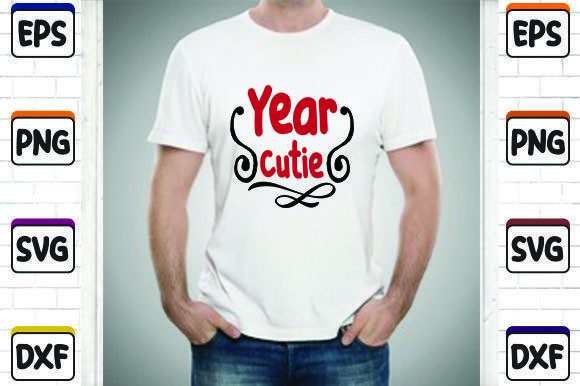
As an embroidery designer who has spent countless hours digitizing, testing, and critiquing files for real-world application, I approach every new machine embroidery design with a mix of curiosity and skepticism. We have all been there: you download a cute graphic, load it onto your machine, and hope for the best, only to find puckered fabric or thread breaks. That is why evaluating a file like New Year Cutie requires looking past the thumbnail and thinking about the final finished product.
This particular design, marketed as a perfect SVG file for the 2022 New Year season, caught my eye because of its potential versatility. While the listing highlights its use for shirts, my experience tells me that a design’s true value lies in how it adapts across different mediums. Let’s break down how New Year Cutie performs from a practical, professional perspective.
First Impressions: Mood and Visual Personality
The first thing I notice about New Year Cutie is its playful, approachable vibe. The phrase itself suggests a lighthearted celebration, moving away from the formal, glitzy aesthetics often associated with New Year’s Eve. For a crafter or Etsy seller, this is a significant advantage. It appeals to a broader demographic, including parents looking for baby embroidery ideas, teenagers wanting trendy custom apparel, and adults seeking fun holiday gifts.
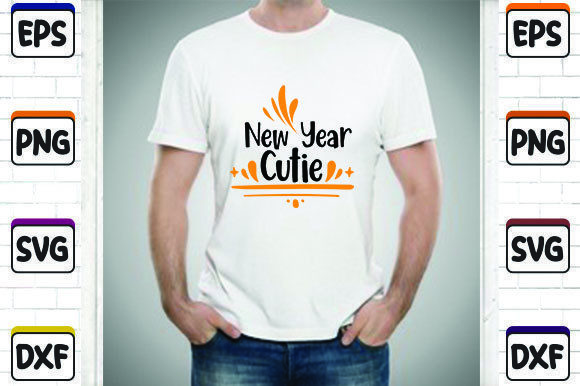
Visually, the layout appears clean. In the world of T-Shirt Designs and general Graphics, simplicity often translates better to embroidery than complex illustrations. The text-based nature of the design means that legibility is key. When I visualize this stitched out, I am immediately thinking about font weight. If the letters are too thin, they may disappear on textured fabrics. If they are too bold, they might become stiff. The "cutie" aspect implies a rounded, soft aesthetic, which usually pairs well with satin stitches or simple running stitches, depending on the size.
Real-World Application: Beyond the T-Shirt
The product description mentions it would look great on a shirt, and I agree. However, limiting this digital embroidery file to just t-shirts would be a missed opportunity. Let’s consider a real-life scenario: preparing a custom order for a local boutique.
Imagine you are creating a line of sweatshirt embroidery pieces for January sales. A crewneck sweatshirt provides a stable, thick canvas that can handle moderate stitch density without showing the backing material. New Year Cutie placed on the left chest or centered on the back could serve as a subtle yet festive statement. Because it is a 2022-specific design, it works perfectly for clearance sales or commemorative items.
Another strong candidate is the tote bag design. Canvas totes are popular small shop products. The durability of canvas means you can use a higher stitch density if needed, ensuring the text remains crisp after repeated washing. Here, the design acts as a functional piece of art. Similarly, consider an embroidered patch. If you digitize this with a border, it becomes a versatile accessory that customers can iron or sew onto jackets, hats, or backpacks. This transforms a simple graphic into a high-margin handmade product.
Technical Considerations and Fabric Challenges
While the concept is solid, execution is where many designers stumble. When working with New Year Cutie, you must consider the fabric texture and hoop size. If you are stitching on a thin, stretchy fabric like a jersey knit t-shirt, proper stabilization is non-negotiable. A cut-away stabilizer is often safer than tear-away for garments that will be worn and washed frequently, as it prevents the design from distorting over time.
Dark fabrics present another challenge. If you are stitching white or light-colored thread on a black hoodie, you need to ensure your thread colors have enough contrast and coverage. Sometimes, a underlay stitch is crucial to prevent the dark fabric from peeking through the letters. Conversely, on light fabrics, ensure your bobbin thread matches the top thread to avoid visible dots around the edges of the satin stitch or fill stitch areas.
Curved surfaces, such as caps, require extra caution. The text in New Year Cutie needs to be sized appropriately so it doesn’t warp when stitched on a curved brim or front panel. Always test on a scrap piece of the same material before committing to the final embroidery project. This step saves time, thread, and frustration.
Commercial Viability and Brand Consistency
For craft business owners and commercial embroidery professionals, the licensing terms are critical. The listing includes SVG, DXF, and EP formats. The SVG and DXF files are typically used for cutting machines (like Cricut or Silhouette) for vinyl applications, while the EP format suggests an embroidery-specific file. However, it is vital to confirm whether the embroidery file is included or if you need to digitize the SVG yourself. If you are digitizing it, you have full control over the stitch density and sequence, allowing you to optimize it for your specific machine.
If the file is pre-digitized, check the stitch count. A lower stitch count generally means faster production times, which is essential for meeting deadlines during the busy holiday season. A design like this, if optimized, can be stitched quickly, increasing your throughput for personalized gift orders.
From a branding perspective, New Year Cutie fits well with brands that focus on whimsical, family-friendly, or youthful aesthetics. It may not suit a luxury or minimalist brand, but for shops selling cozy, fun, and accessible items, it enhances buyer engagement. Customers are drawn to designs that feel personal and timely. Using this in your printable mockup previews can help visualize the end result, boosting confidence in potential buyers.
Practical Designer Notes for Success
To get the best results from New Year Cutie, follow these practical steps:
- Test on Scrap Fabric: Always run a test stitch on the exact fabric type you plan to use. This reveals issues with tension, density, or registration.
- Check Thread Contrast: Ensure your thread color stands out against the fabric. Use a color wheel to find complementary or contrasting shades that pop.
- Review Stitch Density: If the design feels stiff, reduce the density. If it looks sparse, increase it slightly or add a heavier underlay.
- Confirm Hoop Size: Make sure the design fits comfortably within your hoop, leaving enough margin for clamping and stability.
- Inspect Small Details: Zoom in on the digital file. Are there tiny elements that might cause thread breaks? Simplify if necessary.
- Verify Licensing: Before selling design assets or finished items, read the license agreement carefully. Understand if commercial use is permitted and if there are restrictions on quantity or platform.
In conclusion, New Year Cutie offers a charming, versatile option for your 2022 holiday lineup. Whether you are creating a baby embroidery onesie, a trendy tote, or a festive cap, the key lies in thoughtful execution. By paying attention to fabric choice, stabilization, and stitch optimization, you can turn this simple graphic into a high-quality, professional-looking item that customers will love. Remember, the best embroidery designs are those that balance aesthetic appeal with technical reliability. Happy stitching!