Bonne Anne SVG: A Designer’s Review for Embroidery
As an embroidery designer who has spent countless hours digitizing and testing files for real-world application, I approach every new digital embroidery file with a mix of curiosity and skepticism. We have all been there: you download a trendy graphic, load it into your software, and realize the nodes are messy or the scale is impossible for standard hoops. That is why evaluating the Bonne Anne SVG Cut File requires looking past the initial festive appeal and understanding how it translates from a vector graphic to a stitched finished product.
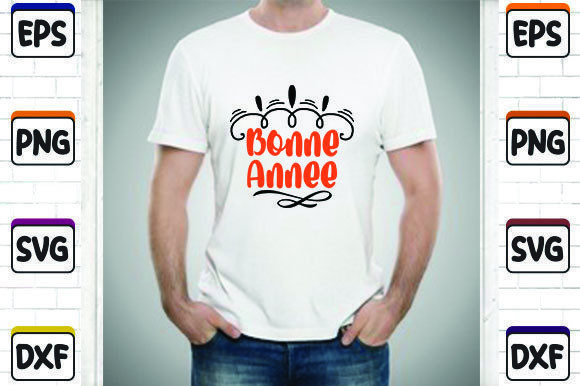
The phrase "Bonne Année," meaning Happy New Year in French, carries a certain chic, minimalist elegance. When reviewing this specific T-Shirt Designs asset, my first impression was one of typographic balance. The design relies heavily on letterform integrity. For an experienced crafter, this signals that the success of the project will depend entirely on fabric choice and stabilization. This is not just a clipart element; it is a statement piece intended for custom apparel and holiday embroidery projects where clarity is paramount.
Visual Personality and Project Fit
The mood of the Bonne Anne SVG Cut File is celebratory yet sophisticated. It does not scream for attention with excessive clutter; instead, it invites a closer look. This visual personality makes it exceptionally versatile for small shop product lines that aim for a boutique aesthetic rather than a mass-produced feel. I immediately envisioned this design on a high-quality linen tote bag design or a structured canvas apron. The clean lines suggest that it would pair beautifully with neutral thread colors, allowing the typography to stand out through contrast rather than complexity.
For Etsy sellers and craft business owners, this type of Graphics asset is valuable because it bridges the gap between seasonal demand and timeless style. While it is labeled for New Year 2022, the sentiment is perennial. However, when using it for personalized gift items, context matters. I see this working best on items that are displayed or worn during celebration events, such as party shirts, commemorative pillows, or even as part of a larger embroidered patch collection for jackets.
Real-World Application: The Sweatshirt Test
To truly judge a design, you must imagine it in motion. I mentally placed the Bonne Anne SVG Cut File on a heavyweight cotton sweatshirt. This is a common request for sweatshirt embroidery during the winter season. Here, the practical challenges emerge. If the original SVG is converted directly into a machine embroidery design without proper digitizing adjustments, the letters could become too dense. A solid fill stitch on a thick fabric like fleece can cause puckering if the stitch density is not managed correctly.
In this scenario, I would recommend using a combination of satin stitch borders and lighter fill patterns, or even opting for a running stitch outline if aiming for a modern, sketch-like aesthetic. The goal is to maintain the legibility of the French script while ensuring the garment remains soft and wearable. If the design is too rigid, it loses the charm that makes handmade product items desirable. For baby embroidery, such as a onesie or a nursery blanket, the scale must be reduced significantly. This requires checking the smallest details to ensure they do not collapse under the needle.
Navigating Fabric and Hoop Constraints
One of the most critical aspects of using any design assets for embroidery is understanding material limitations. The Bonne Anne SVG Cut File features lettering that likely includes thin strokes and potentially tight curves. These are danger zones for textured fabric or stretchy materials. If you are stitching this on a jersey knit for a t-shirt, a cut-away stabilizer is non-negotiable. Without it, the fabric will shift, and the crisp lines of the text will distort.
Furthermore, consider the hoop size. If you are working with a standard 4x4 inch hoop, you may need to split the design or reduce it substantially, which could compromise readability. For larger items like pillow covers or tea towels, a 5x7 or 6x10 hoop allows the design to breathe. Always test the design on scrap fabric first. This simple step saves hours of frustration. Check how the thread colors interact with the background. On dark fabrics, you might need an underlay stitch or a white base layer to ensure the vibrant colors of the text pop, whereas on light fabrics, a single layer might suffice.
Commercial Viability and Brand Consistency
For commercial embroidery professionals, the value of a file lies in its reliability. Does the Bonne Anne SVG Cut File produce consistent results across multiple runs? If you are creating a batch of custom apparel for a client, consistency builds trust. A design that looks great in a printable mockup but fails in production damages your brand reputation. Therefore, inspect the SVG paths carefully before digitizing. Ensure there are no overlapping nodes or open paths that could confuse your embroidery software.
This design fits well within a broader strategy for holiday gifts and seasonal collections. It appeals to buyers looking for something slightly more refined than typical novelty graphics. By positioning it as a premium embroidery project, you can justify a higher price point. However, always confirm licensing terms. Just because a file is available as an SVG does not automatically grant rights for unlimited commercial sales of finished physical goods. Verify whether the creator allows for small business merchandise production or if there are restrictions on volume.
Practical Designer Notes for Success
Before you commit to stitching the Bonne Anne SVG Cut File on a final product, consider these technical checkpoints:
- Contrast Check: View the design in black and white to ensure the shapes are distinct and not reliant solely on color for definition.
- Scale Testing: Print the SVG at 100% size on paper and place it on your intended garment to verify proportions.
- Stitch Type Selection: Decide if a applique design approach (using fabric letters) might be more effective than full embroidery for larger sizes, reducing bulk and stitch time.
- Fabric Compatibility: Avoid using this detailed typography on highly textured towels unless you use a topping stabilizer to prevent stitches from sinking into the pile.
- Corner Management: Pay attention to the corners of the letters. Sharp corners may require tie-offs or specific digitizing techniques to prevent thread bunching.
In conclusion, the Bonne Anne SVG Cut File is a promising asset for designers who understand the nuances of translating vector art into thread. It offers a stylish, international flair suitable for a wide range of personalized products. However, its success depends on thoughtful execution. By respecting the limitations of your machine, choosing the right fabrics, and prioritizing clean digitizing, you can transform this simple graphic into a standout embroidered piece that delights customers and enhances your portfolio. Whether for a cap, a blanket, or a chic tote, this design rewards precision and care.