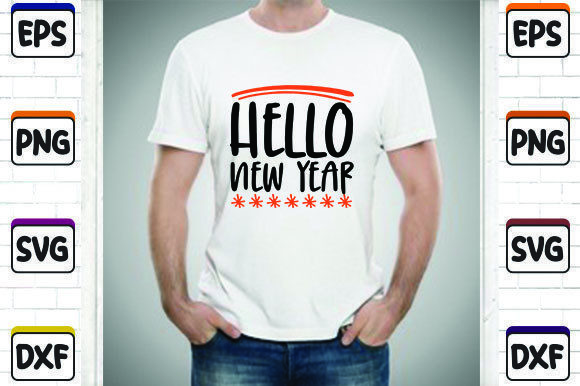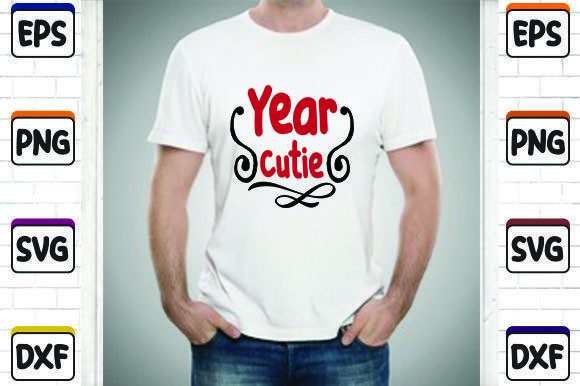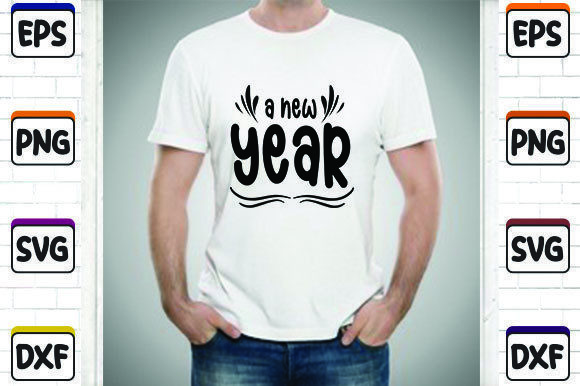
Reviewing the A New Year SVG Cut File for Embroidery
As a designer who spends half my life staring at digitized paths and the other half pulling bobbins out of jammed machines, I approach every new digital embroidery file with a healthy dose of skepticism. We have all been there: you buy a trendy graphic, load it onto your machine, and watch in horror as the thread bunches up or the details vanish into the fabric weave. So, when I pulled up the A New Year SVG Cut File to evaluate its potential for real-world embroidery projects, I wasn’t just looking at a pretty picture. I was looking for structural integrity, stitch clarity, and commercial viability.
This particular design centers around the phrase "A New Year," packaged as an SVG. While SVGs are primarily vector cut files used for vinyl and paper crafts, their clean lines often translate well into embroidery if the digitizer understands how to convert those vectors into stitch types like satin stitch, fill stitch, and running stitch. Let’s break down how this design holds up under the needle, specifically for those of us running small shops or creating personalized gifts.
First Impressions: Mood and Layout
The immediate vibe of the A New Year SVG Cut File is celebratory but restrained. It doesn’t scream; it whispers optimism. For a designer, this is crucial. Overly busy New Year designs often fail because they try to incorporate too many elements—clocks, fireworks, champagne glasses—into a small hoop. This design’s strength lies in its typographic focus. The layout appears balanced, which suggests that if digitized correctly, it will sit flat on the fabric without excessive pull or distortion.
When I visualize this as a machine embroidery design, I see it working best on items where text is the hero. Think of a minimalist tote bag design or a sleek sweatshirt embroidery piece. The simplicity allows the texture of the thread to shine, rather than getting lost in complex shading. It feels modern, which is exactly what customers are looking for when they want a personalized gift that doesn’t look like it came from a discount bin.
Real-World Application: From Screen to Stitch
Let’s talk about a specific scenario. Imagine you are preparing a batch of custom apparel for a boutique client who wants fresh, hopeful messaging for January sales. You choose a high-quality cotton canvas tote. Here is where the A New Year SVG Cut File needs to prove its worth. If the original SVG has extremely thin lines, converting them directly to embroidery can be risky. Thin satin columns can snap or look wiry if not properly underlaid.
In my experience, this type of graphic performs exceptionally well on medium-weight fabrics. For a custom apparel piece like a hoodie, the design would likely need to be scaled up slightly to ensure legibility. On a smaller item, like a baby embroidery project or a napkin, the scale must be reduced, but you must verify that the letter spacing remains open. If the letters touch or overlap due to tight kerning in the original SVG, the embroidery needle will perforate the fabric excessively, leading to a weak, torn appearance.
For Etsy sellers and craft business owners, versatility is key. This design could easily transition from a holiday embroidery accent on a kitchen towel to a bold statement on a denim jacket. The key is understanding how the stitch density interacts with the fabric texture. A dense fill stitch on a lightweight silk will pucker instantly, whereas a lighter running stitch outline might glide beautifully over the same material.
Navigating Technical Challenges
While the aesthetic is strong, we must address the technical realities of using an SVG-based concept for embroidery. Since the product description notes this is an SVG file, it is vital to clarify whether you are receiving a pre-digitized embroidery file (like PES, DST, or JEF) or just the vector graphic. If you are a designer converting this SVG yourself, pay close attention to corner sharpness. SVGs allow for perfect 90-degree angles, but embroidery needles cannot turn on a dime. You will need to round off sharp corners in your digitizing software to prevent thread breaks.
There are specific scenarios where you should use caution with this design:
- Small Hoop Sizes: If you are working with a 4x4 hoop, ensure the text fits comfortably with a margin. Crowding the edge leads to hoop burns and uneven stitching.
- Stretchy Fabrics: Knits and jerseys require robust stabilizers. Without proper support, the "New Year" text may warp after washing.
- Dark Fabrics: If you plan to stitch light thread colors on dark fabric, you must check for show-through. You may need an additional layer of stabilizer or a backing fabric to maintain visual clarity.
- Curved Surfaces: Applying this to a cap requires careful placement. The curvature of the bill or crown can distort straight lines, so test stitching on a similar curved scrap is non-negotiable.
Enhancing Product Value and Brand Consistency
Why does this matter for your bottom line? Because consistency builds trust. When a customer buys a handmade product, they are buying into your brand’s attention to detail. A clean, well-executed A New Year SVG Cut File embroidery signals professionalism. It shows that you understand how graphics translate into tactile art. This enhances the perceived value of your small shop product, allowing you to price your items competitively against mass-produced goods.
Furthermore, this design serves as an excellent asset for printable mockups and digital previews. Before you even stitch a single thread, you can place the SVG on digital photos of t-shirts or mugs to gauge customer interest. This reduces waste and helps you curate your inventory based on data, not just guesswork. For commercial embroidery projects, having a versatile, seasonally relevant design like this in your library ensures you are ready for the post-holiday rush.
Practical Designer Notes for Best Results
Before you commit to a full production run, follow these steps to ensure success with this design:
- Test on Scrap Fabric: Always stitch out a sample on the exact fabric you intend to use. Check for puckering, thread breaks, and color contrast.
- Verify File Formats: The listing mentions SVG. Confirm if actual embroidery machine files are included or if you need to digitize the SVG yourself. If you are digitizing, pay attention to stitch direction and underlay.
- Check Licensing: Ensure the license allows for commercial use if you plan to sell finished items. Some designers restrict the sale of physical goods made with their digital assets.
- Stabilizer Selection: Match your stabilizer to your fabric. Cut-away for knits, tear-away for wovens. Do not skimp here; it is the foundation of a quality finish.
- Thread Color Contrast: Test different thread combinations. Metallic threads can add festive flair but may require slower machine speeds and special needles to prevent shredding.
In conclusion, the A New Year SVG Cut File offers a solid foundation for festive, modern embroidery projects. It fits naturally into categories like T-Shirt Designs and general Graphics for home decor. However, its success depends entirely on your technical execution. Treat it with the respect it deserves—digitize it carefully, stabilize it properly, and stitch it with precision. When done right, it becomes more than just a design; it becomes a cherished part of someone’s celebration, stitched with care by your hands.